
On September 23-24, 2026, Iran presented the United States with a road map at the United Nations providing for a regionwide ceasefire of up to 60 days, a phased reopening of the Strait of Hormuz and an end to the American blockade . The proposal arrived just hours after President Donald Trump told world leaders on Tuesday that he would "annihilate" the entire country if its leaders do not make a deal . The back-to-back speeches marked a dramatic escalation in rhetoric and a pivotal moment in nearly seven months of war—one that suggests both sides are testing whether diplomacy can supplant military pressure.

What Actually Happened
US and Iranian officials held talks on the sidelines of the UN General Assembly in New York, mediated by Qatar, Pakistan and Egypt . Iran presented the United States with a written road map to end the war, providing for a regionwide ceasefire of up to 60 days, a phased reopening of the Strait of Hormuz and an end to the American blockade . Regional sources briefed by the mediators told The National that the document also provides for a halt to Iranian attacks on Arab neighbours and seeks American agreement to a timeline for substantive negotiations while the ceasefire is in force .
The proposal itself is structured differently from earlier Iranian demands. Iran has now put a written road map on the table -- a regionwide ceasefire of up to 60 days, a phased reopening of the strait, an end to the blockade, a halt to attacks on Arab neighbours and an agreed timeline for substantive talks while the ceasefire runs -- and it is the first Iranian proposal of the war that describes a sequence rather than a list of preconditions .
The Iranian proposal follows Trump's stark ultimatum at the UN podium on September 22. In a speech to world leaders at the United Nations General Assembly, President Donald Trump defended the Iran conflict and said he was considering whether to "annihilate" the country and drive it "into hell." Trump said, "I have a big decision to make: Will a deal be made with Iran that lets them rebuild and create a far greater country than it ever was before … or do I annihilate the Islamic Republic, and do it quickly?"
On September 23, no other leader has ever addressed the U.N. in person while his or her country is actively at war with the U.S. Iranian President Masoud Pezeshkian broke that precedent. "Yesterday the United States president described us as terrorists. We have been the victims of terrorism," Iranian President Masoud Pezeshkian told the United Nations General Assembly . He said, "It must be understood by Mr. Trump and those who seek to bully us that we are ready for dialogue and diplomacy and negotiations without accepting the language of force."
"Iran must be powerful so as to avoid being threatened, to avoid its future being threatened." — Iranian President Masoud Pezeshkian, UN General Assembly
After Pezeshkian's speech, Trump later said U.S. envoys met with Iranian officials for three hours on the sidelines of the gathering, an unexpected development that offered a glimpse of diplomatic activity .
The Context: Seven Months of War and Strategic Stalemate
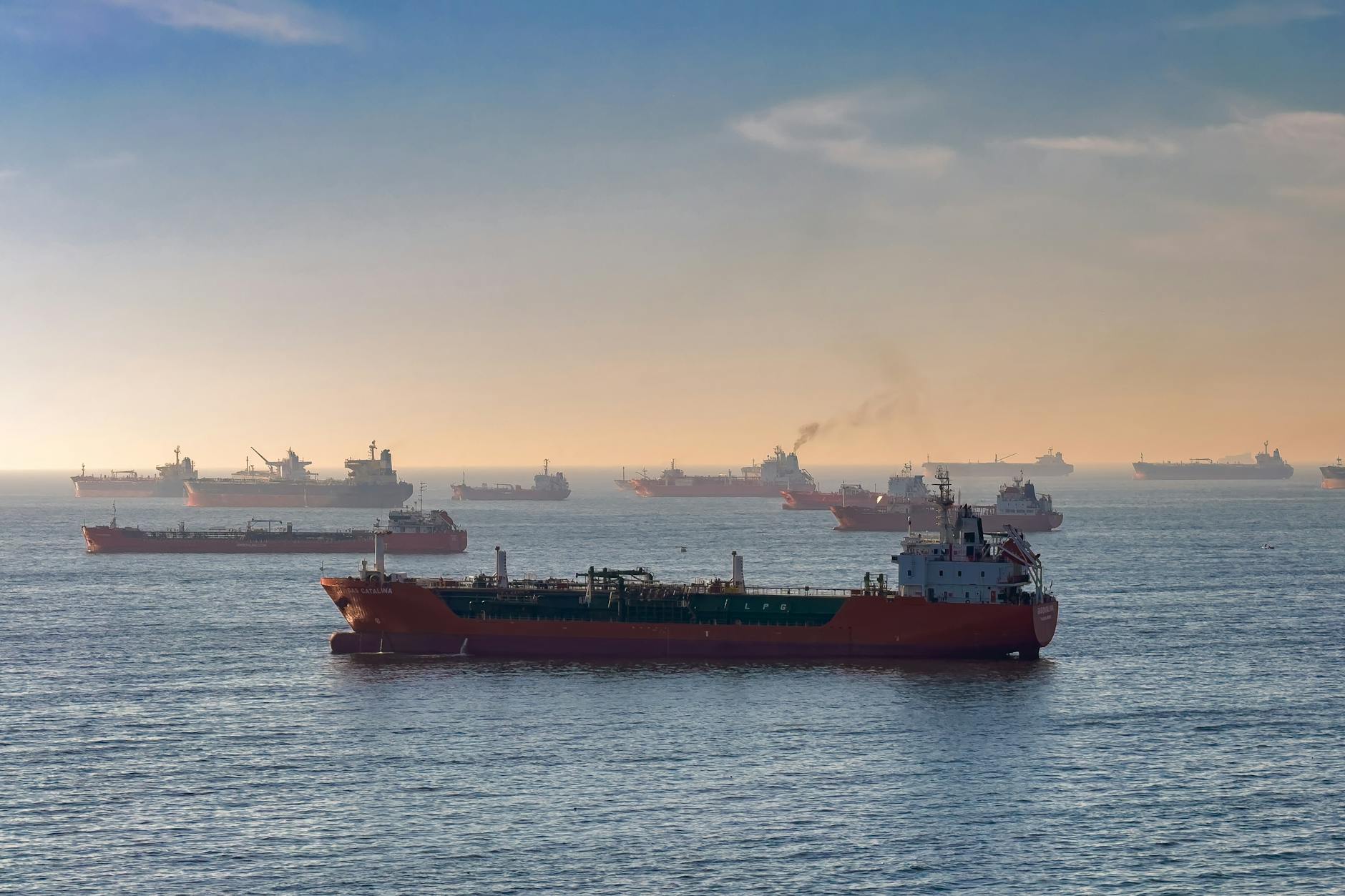
This ceasefire proposal does not emerge in a vacuum. As part of its response to U.S. and Israeli attacks beginning on February 28, 2026, Iran has sought to exert control over the Strait of Hormuz (the Strait), a narrow sea channel that comprises both Iranian and Omani territorial waters . The war has been grinding on longer than Trump anticipated, creating political pressure and economic disruption globally.
When talks failed to produce an agreement, Trump ordered the U.S. Navy to begin a blockade of the strait to prevent the passage of any ships transiting through Iranian ports. As the ceasefire's two-week deadline came to a close, Trump announced that the United States would continue to cease fire until the Iranian delegation could present the U.S. delegation with a proposal to end the war that was backed by all factions of the Iranian government . That condition has now been met—or at least Iran claims it has, with a unified proposal on the table.
Iran's shift toward a sequential proposal rather than preconditions suggests both governments recognize the cost of indefinite conflict. For Iran, the incentive runs the other way: Any deal must look like Washington recognized Iranian staying power, particularly if it involves the Strait of Hormuz and sanctions. If Iran keeps tying Hormuz to U.S. military pressure and port access, the war may be entering a bargaining phase .
Why This Matters for Markets, Energy, and Daily Life
The stakes here extend far beyond Iran and the United States. The closure of the Strait of Hormuz, through which over 20% of the world's oil trade passes, and attacks on energy infrastructure in Iran and several Gulf Cooperation Council countries led to a large disruption in global oil supplies. The disruption led to global oil prices rising and caused fuel shortages in countries which imported most of their fuel from the Persian Gulf region .
- Oil Prices and Inflation: The conflict has caused the restriction of nearly all traffic through the Strait of Hormuz, leading to what the International Energy Agency has characterised as the "largest supply disruption in the history of the global oil market" . Recent diplomatic hints have already affected markets: Oil prices fell on Thursday after rising about 4 per cent in the previous session, following indications that Iran remained open to diplomacy .
- Shipping and Supply Chains: Insurance is unavailable or prohibitively expensive for vessels transiting the strait, and seafarers are unwilling to make the journey, meaning that the strait is effectively closed. Today, ship traffic through the strait is at a near-standstill, except for a small number of vessels that have paid a "toll" to the Islamic Revolutionary Guard Corps (IRGC) in exchange for safe passage .
- Trade and Economic Growth: The disruption of the Strait of Hormuz and Bab al-Mandab, as well as the shutdown of East-West Crude Oil Pipeline on September 11, 2026, resulted in total disruption of 39% of global trade and 31% of global shipments .
- Political Risk: Trump's comments — repeating a threat Pope Leo, Catholic bishops and other world leaders denounced as morally unjustifiable — came as he reached his lowest-ever approval rating on foreign affairs in a CNN/SSRS survey. Just 29% of U.S. adults said they approve of his performance on foreign affairs, with pollsters attributing the downturn to the Iran war .

What Happens Next
The immediate outlook hinges on whether Trump views Iran's proposal as genuine progress or a negotiating tactic. Donald Trump has ruled out lifting the blockade before Iran demonstrates sufficient goodwill . That threshold remains undefined, creating ambiguity.
Iran's negotiating position rests on a paradox. If Iranian officials escalate the language faster than mediators can define terms, Pezeshkian's defiance may become harder to convert into diplomacy. For what it's worth, for now, the speech gave away Iran's secret: Tehran is not just trying to resist; it is trying to negotiate an exit while preserving the politics of resistance . The November midterm elections add another timing constraint: Trump predicted a deal won't happen until after the midterm elections in November. "I believe we'll make a deal right after the election because it doesn't make sense for them not to," Trump said .
Meanwhile, the blockade continues. US Central Command said its forces had redirected 115 commercial vessels as of September 23 while enforcing what it calls America's "steel wall blockade" . Each week of impasse pushes oil prices higher, tightens Iran's economy, and heightens the risk of accidental escalation in one of the world's most congested shipping lanes.
Frequently Asked Questions
What exactly is Iran proposing?
A regionwide ceasefire of up to 60 days, a phased reopening of the strait, an end to the blockade, a halt to attacks on Arab neighbours and an agreed timeline for substantive talks while the ceasefire runs . This differs from earlier Iranian demands by laying out a sequence of steps rather than listing preconditions all at once.
Has Trump accepted the proposal?
Not yet. Trump has said U.S. officials had a three-hour meeting with Iranian counterparts on the sidelines of the UN, but he has not officially responded to the proposal. Trump has ruled out lifting the blockade before Iran demonstrates sufficient goodwill , a condition Iran may view as open-ended.
Why is the Strait of Hormuz so important?
The Strait of Hormuz is a narrow sea channel through which over 20% of the world's oil trade passes . Its closure or restriction disrupts global energy markets and supply chains instantly, affecting oil prices, inflation, and consumers worldwide.
When could a deal happen?
Trump has suggested one is unlikely before the U.S. midterm elections on November 3, 2026. Trump said, "I believe we'll make a deal right after the election because it doesn't make sense for them not to. They're waiting to see how I do in the midterm election."
Bottom Line
Iran has tabled a concrete proposal for a phased ceasefire and Hormuz reopening—the most structured Iranian offer of the war. Trump has countered with threats of annihilation while simultaneously holding three-hour talks with Iranian envoys. Both sides appear to be signalling openness to negotiation while maintaining maximum public defiance. For ordinary readers, what matters most is whether talks break the blockade, reopening one-fifth of the world's oil trade. Higher oil prices, shipping delays, and supply-chain friction will ease only if both sides move from rhetoric to real compromise—and soon.
What's your assessment: Does Iran's proposal signal a genuine shift toward peace, or is it a tactical move to relieve pressure before the midterm elections? Share your thoughts in the comments.
Sources: Reuters/The National, Global Security, PBS News, NPR, Washington Post, NBC News, The Guardian, Al Jazeera, CNBC, CNN, Axios, Congress.gov.Quick disclosure: "Lv.4 파이프라인 소환사" — our automated research-and-writing pipeline — put this article together 🤖✨ Every stat and quote below was checked against a primary source first.
댓글 쓰기